
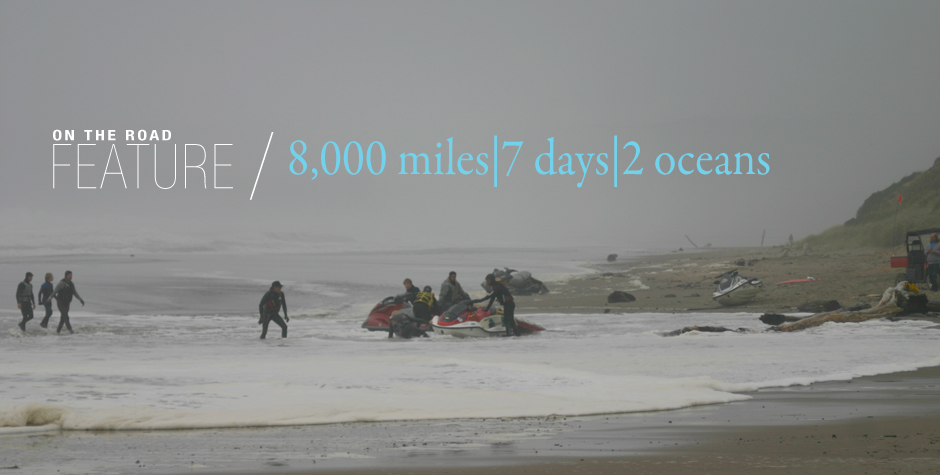

Run in walk out
 Thankfully, in percentage terms, not a great deal of the worlds coastlines are developed and paved over, or have beach access blocked by big private houses.
The majority of coastlines are as nature intended, a narrow belt where the land meets the sea taking the form of cliffs or beaches, mangroves, marshes or dunes.
This is what makes our experiences of the coast so special.
Where I live in Cornwall there is a coastal footpath that runs around the entire coast, all 258 miles of it. Most of the main beaches have car parking available so you can just drive there, pay your meter money, get changed on the concrete so that you don’t get sand in your wetsuit, surf, and drive home again. But there’s a lot more beaches than just those that you can drive to, and most of the time they’re the better surf spots - not least because there’s no crowds.
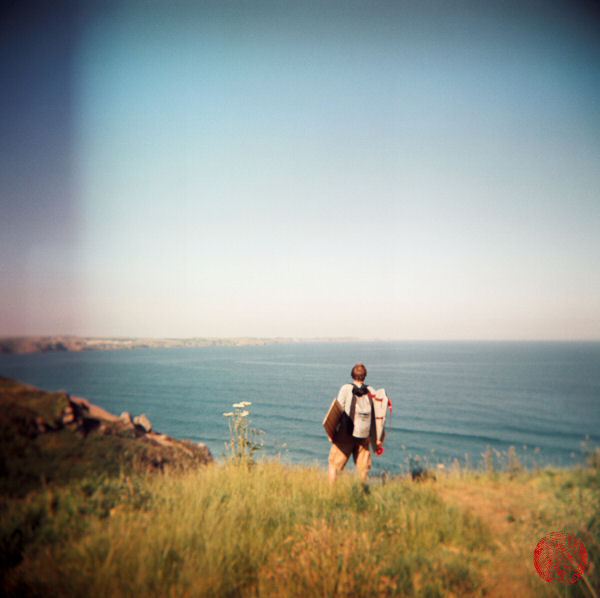
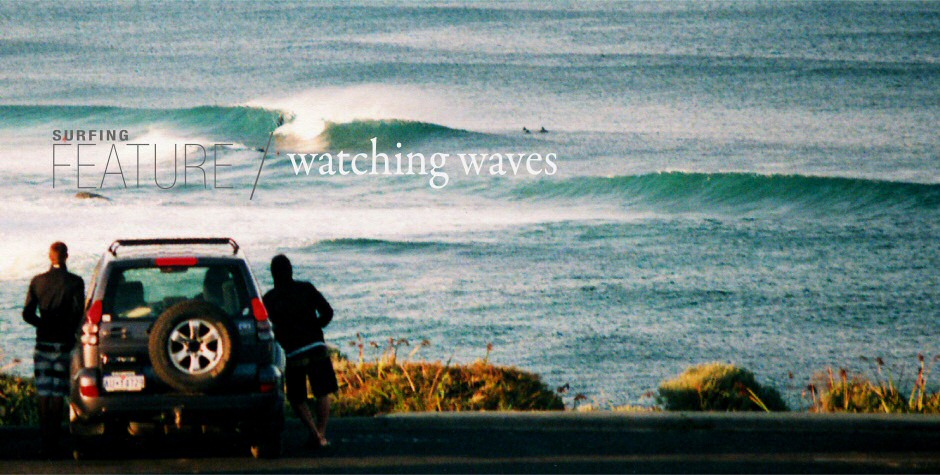
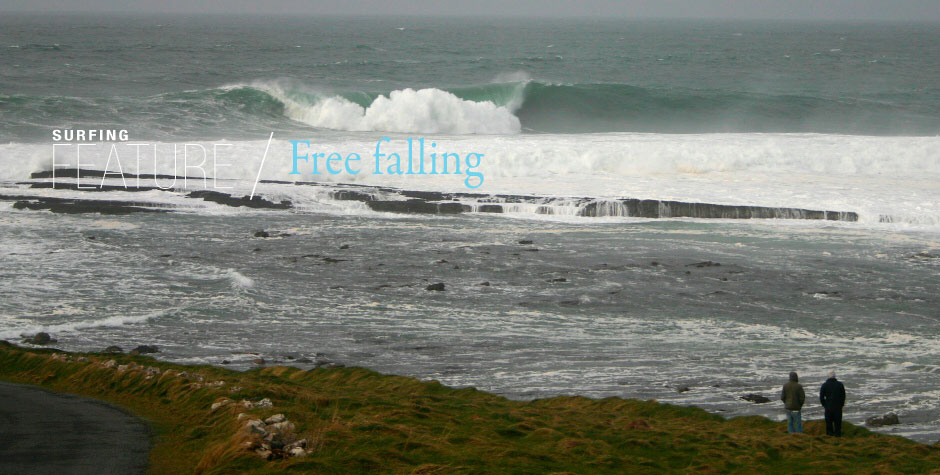
Perhaps a longer drive, the last bit down a farm track with grass growing down the middle. A few styles and gates, slipping in cow poo as you run down the path, getting scratched by the brambles, nodding a hello to the occasional passing dog walker. A quick surf check from the top of the cliff then keep sliding down, and the last bit scrambling down the rocks onto the sand. You always run even though you know you’ll be out of breath when you get there, because you’re always too excited to see what the waves are like.
Surf for a few hours, then put your wet wetsuit and towel, all waterlogged and heavy, back into your bag, pick your board up under a paddle weary arm, and start the long, slow trudge uphill back to the car.
Walk in, run out.
You’ll feel better for the effort, and you saved a few coins on car parking.
























This article paints a great picture.
1